Lalitha Sahasranamam‚ a revered spiritual text‚ is readily available as a Sanskrit PDF for devoted practitioners seeking enlightenment.
This sacred hymn‚ containing a thousand names of Goddess Lalita‚ offers a pathway to profound spiritual connection and divine consciousness.
The text‚ structured into three chapters‚ details the revelation of these names by deities‚ as commanded by the Goddess herself‚ offering a rich tapestry of mantra power.
What is Lalitha Sahasranamam?
Lalitha Sahasranamam is a profoundly significant hymn in the Hindu tradition‚ consisting of a thousand names – sahasranama – dedicated to the Goddess Lalita‚ also known as Tripura Sundari. These names aren’t merely descriptive; they encapsulate the multifaceted nature of the Divine Feminine‚ revealing Her power‚ beauty‚ and grace.
Available as a Sanskrit PDF‚ the text serves as a powerful tool for spiritual practice. The PDF format allows devotees easy access to the original Sanskrit verses‚ often accompanied by transliterations and translations to aid understanding and recitation. The hymn is structured into 320 verses across three chapters‚ detailing the divine command for its revelation and the subsequent recitation by various deities;
Downloading a Lalitha Sahasranamam PDF provides a convenient way to engage with this sacred text‚ fostering a deeper connection with the Goddess and unlocking the potential for spiritual growth. It’s more than just a list of names; it’s a spiritual treasury embodying the essence of goddess worship and mantra power.
Historical Significance and Origins
The Lalitha Sahasranamam’s origins are deeply rooted in Hindu tantric traditions‚ believed to have been revealed to the sage Agastya by the Goddess Lalita herself. While pinpointing an exact date is challenging‚ textual analysis suggests its composition likely occurred between the 6th and 10th centuries CE. The text’s structure‚ divided into three chapters‚ reflects a deliberate unfolding of the divine revelation.
The availability of the Lalitha Sahasranamam as a Sanskrit PDF has significantly broadened its accessibility‚ allowing wider dissemination of this ancient wisdom. Editions like the Gita Press Gorakhpur version are particularly popular‚ offering a standardized and reliable text for study and practice.
Historically‚ the hymn was transmitted orally for centuries before being committed to writing. The PDF format preserves this sacred knowledge‚ ensuring its continued availability for generations seeking spiritual enlightenment. Its enduring popularity speaks to its profound impact on Hindu devotional practices and its timeless relevance.
The Goddess Lalita and Her Importance
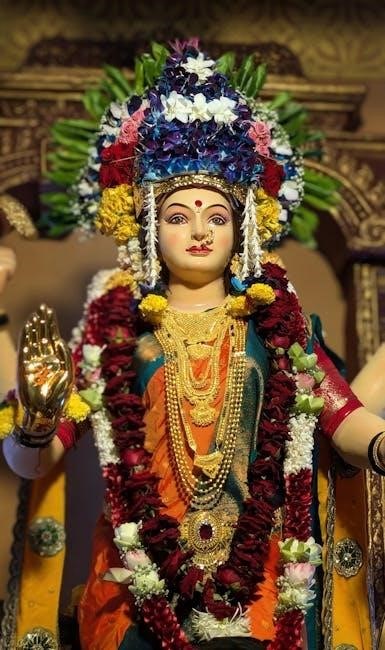
Goddess Lalita‚ also known as Tripura Sundari‚ is the supreme deity celebrated within the Lalitha Sahasranamam. She embodies the divine feminine‚ representing beauty‚ power‚ and auspiciousness. The hymn’s thousand names are not merely descriptive; they are potent mantras revealing Her multifaceted nature and cosmic energies.
Accessing the Lalitha Sahasranamam in Sanskrit PDF format allows devotees to connect directly with the Goddess through Her names‚ fostering a deeper understanding of Her divine attributes. She is considered the embodiment of Shakti‚ the dynamic energy that drives creation‚ preservation‚ and dissolution.
Her importance extends beyond devotional worship; Lalita represents the ultimate reality‚ the source of all existence. Chanting Her names‚ as presented in the PDF‚ is believed to awaken spiritual consciousness and lead to liberation. The text serves as a powerful tool for invoking Her blessings and realizing one’s inherent divinity.

The Sanskrit Text and its Structure
Lalitha Sahasranamam’s Sanskrit PDF reveals a meticulously structured hymn comprising 320 verses. These are divided into three distinct chapters‚ detailing the divine revelation of the Goddess’s names.
Overview of the Three Chapters
The Lalitha Sahasranamam‚ accessible through a Sanskrit PDF‚ unfolds its divine narrative across three significant chapters. The initial chapter‚ spanning 51 verses‚ establishes the divine command – the Goddess Lalita herself instructs the devatas to reveal her thousand names.
The second chapter details the names as revealed by these celestial beings‚ each verse a testament to the Goddess’s multifaceted glory. This section forms the core of the Sahasranamam‚ presenting a comprehensive enumeration of her attributes and powers.
Finally‚ the third chapter continues the revelation‚ completing the enumeration and solidifying the sacredness of the hymn. The complete text‚ readily available in Sanskrit PDF format‚ provides a structured and accessible pathway for devotees to connect with the divine feminine and experience the transformative power of mantra recitation. Each chapter builds upon the previous‚ creating a holistic and profound spiritual experience.
Chapter 1: The Divine Command
The opening chapter of the Lalitha Sahasranamam‚ easily found in a Sanskrit PDF‚ sets the sacred stage for the revelation of the Goddess’s thousand names. Consisting of 51 verses‚ this chapter details the divine impetus behind the hymn’s creation.
It narrates how the Goddess Lalita‚ in her supreme majesty‚ commands the devatas – celestial beings – to articulate her myriad names. This isn’t merely a request‚ but a divine ordinance‚ establishing the importance and power inherent in reciting these names.
The Sanskrit PDF version allows for a direct engagement with the original text‚ revealing the nuanced language and profound symbolism of this initial command. This chapter establishes the authority and sacredness of the Sahasranamam‚ preparing the reader for the unfolding revelation in subsequent chapters. It’s a foundational element for understanding the hymn’s spiritual significance.
Chapter 2: Names Revealed by Devas
Chapter two of the Lalitha Sahasranamam‚ accessible within a comprehensive Sanskrit PDF‚ details the core of the hymn – the recitation of the Goddess’s names by the devatas. Following the divine command established in the first chapter‚ various celestial beings begin to reveal Lalita’s thousand names.
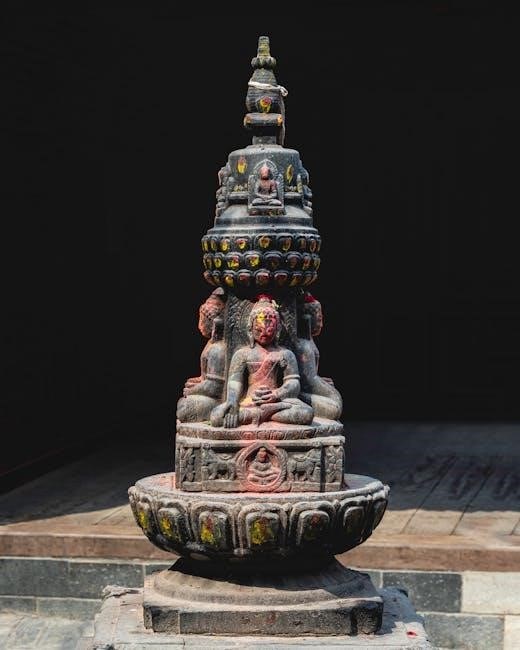
This section forms the bulk of the text‚ presenting a beautiful and intricate tapestry of epithets that describe the Goddess’s attributes‚ powers‚ and glories. The Sanskrit PDF allows for a close examination of these names in their original form‚ aiding in proper pronunciation and understanding.
Each name is a key to unlocking deeper layers of meaning‚ revealing the multifaceted nature of the divine feminine. The devatas’ recitation isn’t simply a listing‚ but a devotional offering‚ imbued with reverence and spiritual energy. This chapter is central to the practice of chanting and meditation on Lalita’s divine form.
Chapter 3: Further Revelation and Completion
The final chapter of the Lalitha Sahasranamam‚ readily available in a detailed Sanskrit PDF‚ builds upon the revelations of the devatas‚ offering further insights and ultimately completing the enumeration of the thousand names. This section doesn’t simply reiterate previous verses‚ but expands upon them‚ adding nuance and depth to the Goddess’s portrayal.
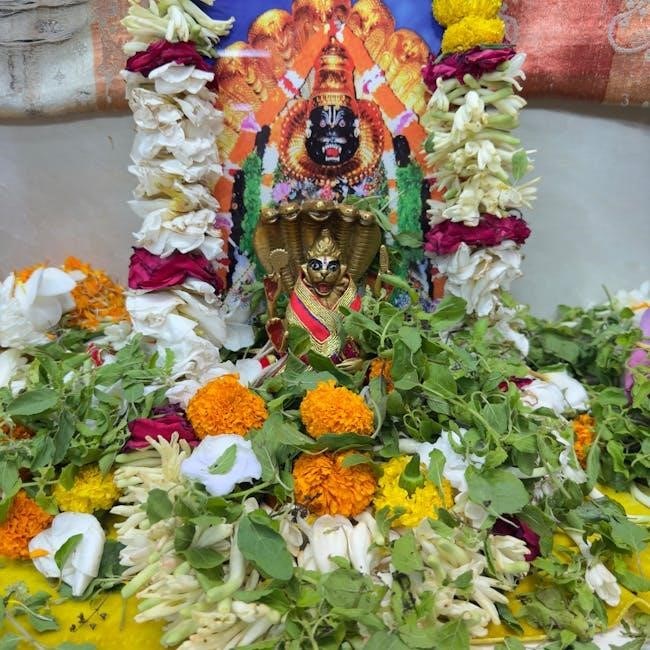
The PDF format allows for careful study of the concluding verses‚ which often contain potent mantras and concluding blessings. It’s a culmination of the divine command and the devas’ offerings‚ solidifying the sacredness of the hymn. This chapter often includes verses that emphasize the benefits of reciting the Sahasranamam.
Understanding this final section‚ accessible through the Sanskrit PDF‚ is crucial for a complete comprehension of the text’s spiritual significance and for maximizing the benefits of its practice. It represents the full flowering of Lalita’s divine energy.

Obtaining the Lalitha Sahasranamam PDF in Sanskrit

Lalitha Sahasranamam in Sanskrit PDF format is easily accessible online through various sources‚ including Gita Press Gorakhpur editions‚ offering convenient spiritual study.
Downloadable PDFs provide a readily available resource for recitation and deeper understanding.
Sources for Free PDF Downloads
Finding a reliable‚ free PDF of the Lalitha Sahasranamam in Sanskrit requires careful navigation of online resources. Several websites archive and distribute religious texts‚ offering the Sahasranamam for download. However‚ verifying the authenticity and quality of these PDFs is crucial for accurate recitation and understanding.
Digital libraries and online repositories dedicated to Indological studies often host scanned versions of traditional texts. Websites specializing in Hindu scriptures frequently provide downloadable PDFs‚ sometimes with accompanying transliterations and translations. Be mindful of copyright restrictions and ensure the source is reputable.
Archive.org is a valuable resource‚ potentially containing digitized copies of the Gita Press Gorakhpur edition. Searching specifically for “Lalita Sahasranama Strota Gita Press Gorakhpur PDF” can yield results. Always preview the document to confirm its completeness and legibility before downloading. Remember to prioritize sources that offer clear Sanskrit text and avoid those with unclear origins or formatting issues.
Gita Press Gorakhpur Edition
The Gita Press Gorakhpur edition of the Lalitha Sahasranamam is widely considered a standard and highly respected version of this sacred text. Known for its meticulous typesetting and adherence to traditional scholarship‚ it’s a favored choice among practitioners. This edition‚ often available as a Sanskrit PDF‚ presents the Sahasranamam with clear Devanagari script and‚ frequently‚ includes a transliteration to aid pronunciation.
Published by the renowned Gita Press‚ a charitable organization dedicated to Hindu literature‚ this edition benefits from a long history of careful editing and proofreading. Raju Srivastava’s contribution to making this text accessible is notable‚ with the edition categorized under “Indological Books” and “Books by Language: Sanskrit.”
The PDF version‚ approximately 98.6MB in size‚ is often sought after for its portability and ease of access. Its popularity stems from its reliability and the trust associated with the Gita Press name‚ ensuring a faithful representation of the original Sanskrit verses.
Quality and Authenticity of PDFs
When seeking a Lalitha Sahasranamam Sanskrit PDF‚ verifying the quality and authenticity is paramount; Numerous versions circulate online‚ and discrepancies can occur due to transcription errors or differing editorial choices. Prioritize PDFs sourced from reputable organizations like Gita Press Gorakhpur‚ known for their commitment to accurate scriptural presentation.
Carefully examine the Devanagari script for clarity and consistency. Authentic PDFs will maintain precise vowel markings and consonant formations. Compare multiple sources if possible‚ noting any variations in verse numbering or wordings. Beware of PDFs with poor formatting‚ illegible text‚ or missing verses.
Consider the source’s reputation and any accompanying information regarding the edition’s lineage. A trustworthy PDF will often indicate the publisher‚ editor‚ and any scholarly notes. Remember‚ the Lalitha Sahasranamam is a sacred text; a reliable‚ accurate version is crucial for proper recitation and spiritual benefit.
Understanding the Sanskrit Text
Lalitha Sahasranamam’s Sanskrit PDF requires careful study; transliteration aids pronunciation‚ while understanding the nama meanings unlocks deeper spiritual insight and correct recitation.
Transliteration and Pronunciation
When engaging with the Lalitha Sahasranamam in its original Sanskrit PDF format‚ accurate transliteration and pronunciation are paramount for effective chanting and comprehension. The Sanskrit script can be challenging for those unfamiliar with it‚ making transliteration – representing Sanskrit sounds using Roman characters – an invaluable tool.
Various transliteration schemes exist‚ so consistency is key. A well-prepared PDF will often include a clear transliteration alongside the Sanskrit text‚ guiding practitioners through the correct phonetic rendering of each nama (name). Proper pronunciation isn’t merely about sounding correct; it’s believed to directly impact the mantra’s potency and the resulting spiritual benefits.
Subtle nuances in sound can alter the meaning and vibrational effect of a name. Resources accompanying the PDF‚ such as audio recordings of experienced chanters‚ can be immensely helpful. Paying attention to the length of vowels‚ the nasalization of consonants‚ and the correct emphasis on syllables are all crucial aspects of accurate pronunciation. Mastering these elements unlocks the full power inherent within each divine name.
Meaning of the Names (Nama)
Delving into the Lalitha Sahasranamam‚ particularly when utilizing a Sanskrit PDF‚ extends beyond mere recitation; understanding the meaning of each nama (name) is essential for a truly transformative experience. Each of the thousand names is a potent descriptor of the Goddess Lalita‚ revealing different facets of her divine nature‚ powers‚ and cosmic functions.
A comprehensive PDF will ideally include detailed explanations of each name‚ often drawing from scriptural sources and traditional commentaries. These meanings aren’t always literal; many names are symbolic‚ employing poetic imagery and esoteric allusions. Exploring these layers of meaning deepens one’s connection to the Goddess and unlocks a richer understanding of her multifaceted glory.
The names reveal the Goddess as both the dynamic energy (Shakti) and the serene stillness (Shiva)‚ embodying creation‚ preservation‚ and dissolution. Contemplating the meaning of each nama during chanting transforms the practice from a ritualistic exercise into a profound meditation on the divine feminine principle.
The Importance of Correct Recitation
When engaging with the Lalitha Sahasranamam‚ especially using a Sanskrit PDF‚ accurate recitation is paramount. The power of the mantra lies not just in the words themselves‚ but in their precise pronunciation and intonation. Deviations can alter the vibrational frequency and diminish the intended spiritual effect.
A quality PDF resource will often include transliterations to aid in correct pronunciation for those unfamiliar with the Sanskrit script. However‚ relying solely on transliteration isn’t enough; ideally‚ learning from a qualified teacher or listening to recordings by experienced reciters is crucial.
Correct recitation involves mastering the sandhi (phonetic combinations) and adhering to the prescribed rhythm and pauses. This meticulous approach ensures the mantra’s potency and facilitates a deeper connection with the divine energy of Goddess Lalita. It’s a practice demanding reverence‚ discipline‚ and a sincere intention.

Spiritual Benefits and Practices
Lalitha Sahasranamam‚ accessed via Sanskrit PDF‚ unlocks mantra power and divine consciousness.
Chanting fosters spiritual enlightenment‚ while daily recitation cultivates profound devotion and inner peace.
This practice elevates one’s spiritual journey.
Mantra Power and Divine Consciousness
Lalitha Sahasranamam‚ when engaged with through a Sanskrit PDF‚ is fundamentally a powerful mantra practice. Each of the thousand names isn’t merely a descriptor‚ but a potent vibration resonating with divine energy. The text embodies Shakti‚ the dynamic feminine force‚ and consistent recitation is believed to awaken this energy within the practitioner.
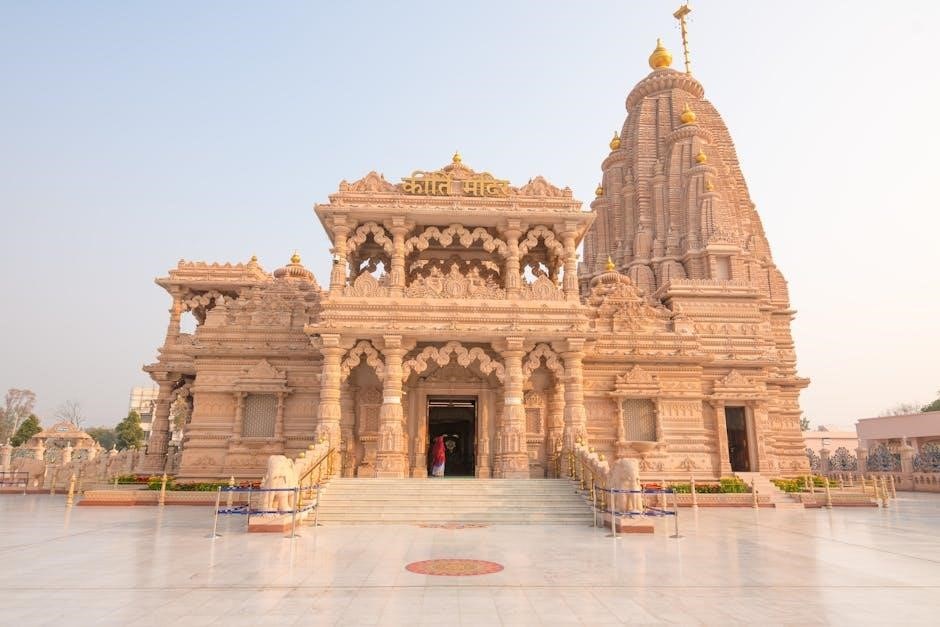
The inherent power lies in the sonic structure of the Sanskrit language itself‚ and the precise articulation of each nama (name). This sonic vibration directly impacts consciousness‚ dissolving limiting beliefs and fostering a deeper connection to the divine. Accessing the text in its original Sanskrit form‚ via a downloadable PDF‚ is crucial for experiencing the full potency of the mantra.
Through dedicated practice‚ the Lalitha Sahasranamam aims to elevate consciousness‚ leading to self-realization and a profound understanding of the universe’s interconnectedness. It’s a pathway to experiencing the divine not as an external entity‚ but as an inherent aspect of one’s own being.
Chanting for Spiritual Enlightenment
Utilizing a Sanskrit PDF of the Lalitha Sahasranamam facilitates a deeply transformative chanting practice aimed at spiritual enlightenment. The structured format of the text‚ readily available for download‚ allows for consistent and focused recitation of the Goddess’s thousand names.
Chanting isn’t simply repetition; it’s a meditative process that stills the mind and opens the heart. The vibrations created by reciting the Sanskrit verses are believed to purify the energetic channels within the body‚ removing obstacles to spiritual growth. Regular engagement with the PDF allows for familiarity and fluency‚ enhancing the meditative quality of the practice.
The ultimate goal is to transcend the limitations of the ego and realize one’s inherent divine nature. The Lalitha Sahasranamam‚ when chanted with devotion and understanding‚ serves as a powerful vehicle for this journey‚ unlocking inner wisdom and fostering a profound sense of peace and liberation.
Daily Recitation and its Effects
Consistent daily recitation of the Lalitha Sahasranamam‚ guided by a readily accessible Sanskrit PDF‚ yields profound and cumulative spiritual benefits. Integrating this practice into one’s routine cultivates a deeper connection with the Divine Feminine and fosters inner harmony.
The effects extend beyond the spiritual realm. Regular chanting is believed to calm the mind‚ reduce stress‚ and promote emotional well-being. Utilizing the PDF ensures accurate pronunciation and understanding of the names‚ maximizing the potency of the mantra. Over time‚ devotees often report increased clarity‚ intuition‚ and a greater sense of purpose.
Furthermore‚ daily recitation acts as a protective shield‚ dissolving negative energies and attracting positive influences. The consistent vibration of the sacred names creates a harmonious resonance within and around the practitioner‚ fostering a life filled with grace‚ abundance‚ and unwavering faith.

Lalitha Sahasranamam and Related Concepts
Lalitha Sahasranamam‚ accessible via Sanskrit PDF‚ deeply connects to Goddess worship and mantra power‚ revealing divine attributes through its thousand names.
Understanding ‘genus’ illuminates these attributes‚ enriching Indological studies and devotional practice.
Connection to Goddess Worship
Lalitha Sahasranamam‚ often accessed through a convenient Sanskrit PDF‚ is fundamentally rooted in the veneration of the Divine Feminine‚ specifically Goddess Lalita Tripura Sundari. The text isn’t merely a list of names; it’s a profound exploration of the Goddess’s multifaceted nature‚ her power (Shakti)‚ and her beauty.
Each of the thousand names (namas) represents a different aspect‚ quality‚ or manifestation of the Goddess. Reciting these names‚ facilitated by the readily available PDF versions‚ is considered a powerful form of worship (puja) in itself. It’s believed to invoke the Goddess’s blessings‚ protection‚ and grace.
The Sahasranamam serves as a bridge between the devotee and the divine‚ allowing for a deeper connection and understanding of the Goddess’s cosmic role. The PDF format makes this sacred text accessible to a wider audience‚ fostering a greater appreciation for Goddess worship and its transformative potential. It embodies the essence of Shakti and is central to many Tantric traditions.
The Role of ‘Genus’ in Understanding Divine Attributes
The concept of ‘genus‚’ derived from the Latin ‘gignere’ (to beget)‚ offers a fascinating lens through which to understand the attributes detailed within the Lalitha Sahasranamam‚ often studied via Sanskrit PDF resources. In essence‚ ‘genus’ represents a categorization based on shared characteristics – a grouping of species with common traits.
Within the Sahasranamam‚ each name (nama) can be seen as belonging to a specific ‘genus’ of divine quality. For example‚ names denoting power belong to the ‘Shakti’ genus‚ while those signifying beauty fall under the ‘Lalita’ genus. Understanding these groupings allows for a more nuanced appreciation of the Goddess’s complex nature.
This categorization isn’t rigid; attributes often overlap‚ reflecting the interconnectedness of divine qualities. The PDF format facilitates detailed study‚ enabling devotees to trace these ‘genera’ and grasp the holistic representation of the Goddess. It’s a sophisticated system mirroring natural classifications‚ applied to the divine realm.
Lalitha Sahasranamam in Indological Studies
The Lalitha Sahasranamam‚ frequently accessed through Sanskrit PDF versions‚ holds significant importance within Indological studies. Scholars analyze its structure‚ language‚ and philosophical underpinnings to understand ancient Indian thought and religious practices.
Its 320 verses‚ detailing the thousand names of the Goddess‚ provide valuable insights into Tantric traditions and the evolution of Goddess worship. The text’s intricate symbolism and poetic structure are subjects of ongoing research‚ revealing connections to broader Hindu cosmology.
Indologists examine the Sahasranamam’s historical context‚ tracing its origins and influences. The availability of digitized PDFs has greatly facilitated this research‚ allowing for comparative textual analysis and wider accessibility. Studies explore the text’s impact on art‚ literature‚ and ritual practices‚ solidifying its place as a cornerstone of Indian cultural heritage;